 medical consulting
IVF
Eggs are collected after ovarian stimulation. In conventional IVF, prepared sperm and eggs are placed together in the laboratory and fertilisation is monitored.
This guide explains the treatment in the order a new patient needs it: what IVF and ICSI mean, what happens at each stage, what decisions may arise and what to prepare.

IVF describes fertilisation outside the body. ICSI is a laboratory method used within an IVF cycle to place one selected sperm directly into an egg. Your specialist and embryology team decide which approach fits the medical findings.
Eggs are collected after ovarian stimulation. In conventional IVF, prepared sperm and eggs are placed together in the laboratory and fertilisation is monitored.
An embryologist injects one selected sperm into each mature egg. It may be recommended for sperm-related factors, previous fertilisation problems or other clinical reasons.
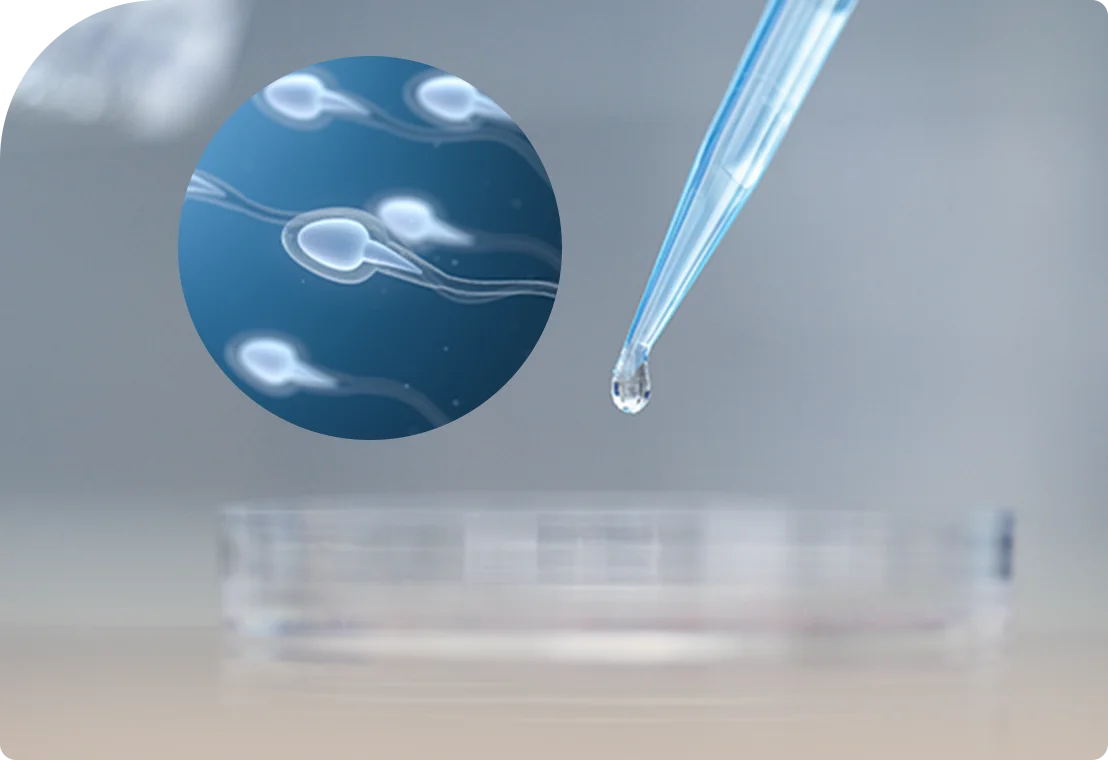
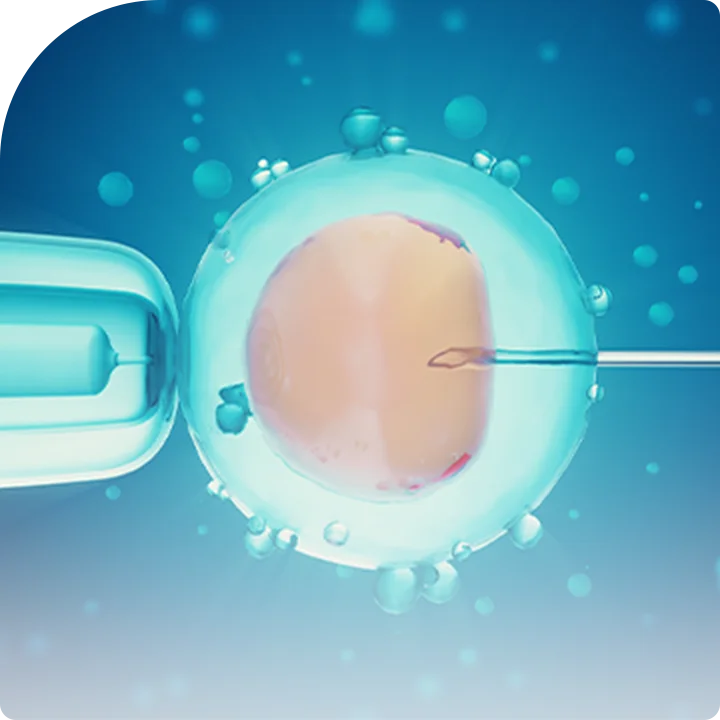
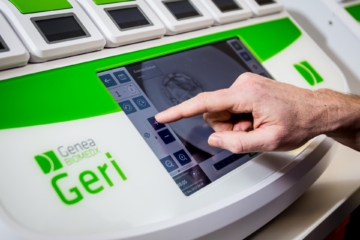

The exact protocol and timing are individual. This sequence shows how the main clinical and laboratory stages usually connect.
The specialist reviews age, fertility history, previous treatment, ovarian reserve, sperm results and relevant medical conditions. Additional tests may be requested.
Daily medication encourages several follicles to grow. The dose and protocol are chosen by the specialist for the individual patient.
Ultrasound scans and sometimes blood tests track follicle growth and hormone response. The clinic adjusts timing or medication when medically needed.
A trigger injection prepares the eggs for collection. Egg retrieval is then performed as a clinical procedure with anaesthesia or sedation as advised.
The laboratory prepares the sperm sample. Mature eggs are fertilised using conventional IVF or ICSI according to the treatment plan.
Embryos are observed as they develop in the laboratory. Not every collected egg is mature, fertilises or continues to the blastocyst stage.
Depending on the case, suitable embryos may be frozen, biopsied for PGT or prepared for transfer. Each option has separate medical criteria.
A selected embryo may be transferred in the appropriate cycle. The clinic gives medication instructions and schedules a pregnancy blood test and follow-up.
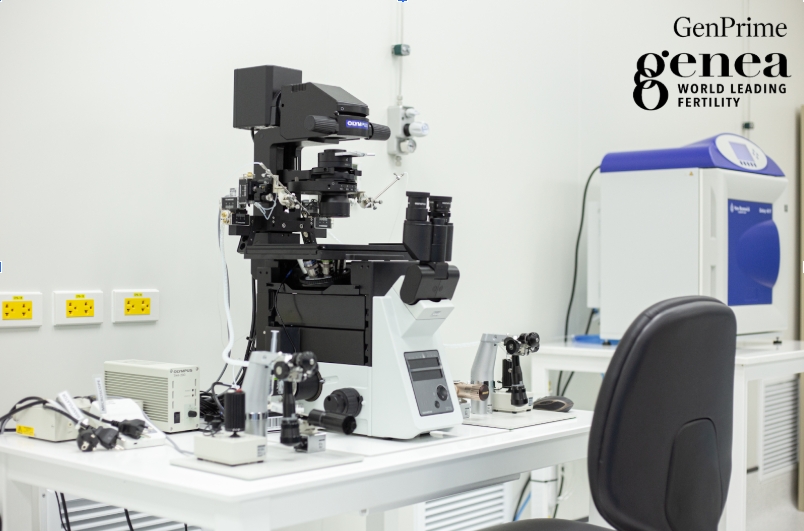
The embryology team checks egg maturity, prepares sperm, performs fertilisation, monitors embryo development and records which embryos reach each stage. Laboratory conditions support development, but biology still varies from patient to patient.
These are not automatic add-ons. A specialist should explain the purpose, limits, cost and whether each option is relevant to your case.
Tests embryo cells for chromosome number. It may help inform embryo selection in some cases, but it cannot guarantee implantation, pregnancy or a healthy baby.
Targets a specific inherited single-gene condition known in the family. It usually requires genetic counselling and case preparation before the IVF cycle.
A previously frozen embryo is warmed and transferred in a later cycle after the uterus is prepared. Timing and medication depend on the medical plan.
Suitable embryos can be cryopreserved. Ask about the included storage period, annual fees, consent rules and what happens if plans change.
OVA can organise the available information and ask the clinic what is still required.
Send the records you already have. OVA will organise the next step and prepare an itemised estimate.